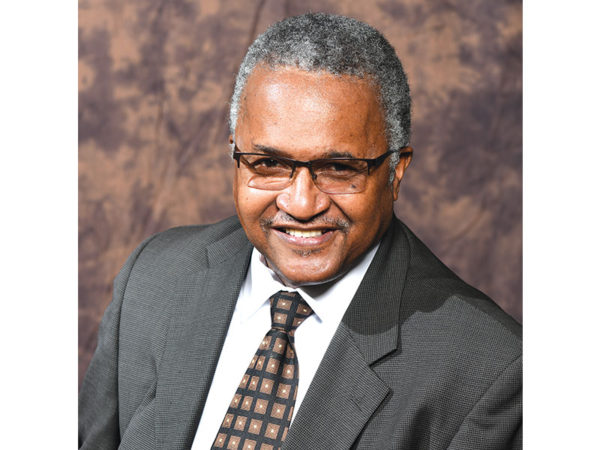
Next week the Monroe City Council will be asked to approve a special deal between the City of Monroe and Rep. Micheal Echols that will be worth millions of dollars.
At its council meeting last week, the council voted to introduce a deal, called a Memorandum of Understanding, that will essentially help bankroll a $31 million Echols project to build a Hilton Hotel on Walnut Street downtown.
Verbally, city leaders say that the city will be providing or guaranteeing $2.5 million of Mr. Echols’ project cost, allowing Echols to use two percent of general sales taxes collected each year in his specially carved out district to repay the loan. He will have 20 years to pay back the $2.5 million.
On paper, the written words suggest that he can collect up to $2.5 million annually toward the cost or $50 million.
Either way, the city will bankroll the hotel project at a minimum of $2.5 million. City attorneys told the council last week that Echols’ bank loan fizzles if the council doesn’t approve the deal.
It is not unusual for cities to help private investors in this way. It is common in all progressive cities across the nation. We often see it when cities attempt to lure investors into locating in their communities.
In such cases, the city joins with the state to wine and dine corporations with sweetheart deals that include infrastructure pledges, tax abatements, tax credits, free utilities, tax moratoriums, and a host of other plums to sweeten the pot.
What the city wants to do is not illegal or unusual, but those of us on the Southside see an “inconsistency” problem.
In May, the city approved the Southside Economic Development District’s 47 project plan for the next 25 years with the understanding that no tax dollars would be used to help private business people with loan guarantees, which would include deals like those being offered to Echols.
The SEDD proposal envisions helping small businesses get started or expand by working with banks to guarantee loans as small as $5,000 but as much as $500,000.
The SEDD wants the Southside to grow but wants to offer sweetheart deals such as the one being offered to Echols, to Southside minorities, women, and the disadvantaged.
The council approve SEDD’s plan, but on motion of councilman Carday Marshall, SEDD will be prohibited from guaranteeing loan arrangements for Southside businesses.
The plan to help build Rep. Echols’ proposed 70-bed Hilton Hotel is undoubtedly a good idea, but SEDD’s proposal to help the Southside in a similar deal is also a good idea.
SEDD’s plan will mean a great deal for Black contractors who have never had the ability to get the big jobs because of bonding requirements. SEDD’s plan would provide a way for Blacks, for the first time, to become the prime contractors on major jobs rather than always being the “sub” contractors.
SEDD’s plan calls for giving Southside businesses access to capital.
Out of all of the 47 projects, SEDD plans over the next 25 years, the council’s vote effectively blocks the one project that would almost certainly guarantee Blacks, women, and the disadvantaged access to capital.
Million-dollar projects sponsored by the city’s elite will not be prohibited from receiving sweetheart deals, but no city funds can be used to incentivize South Monroe entrepreneurs.
Somehow that seems unfair. It’s unsettling because the effort was led by two black council members, Kema Dawson and Caday Marshall, on behalf of Mayor Oliver Ellis. They both parrotted his opposition to using public funds to help private businesses.
The mayor’s sentiment does not apply to Mr. Echols or anyone who wants to do something downtown.
We do not oppose the arrangement the city is making with Rep. Echols. Ultimately, the city will benefit from the move.
However, we believe that the same motion that approves Mr. Echols’ agreement Tuesday night should also rescind the council’s prohibition on loan guarantees for Southside business people. It can all be done in the same motion.
What’s good for the goose should be good for the gander.