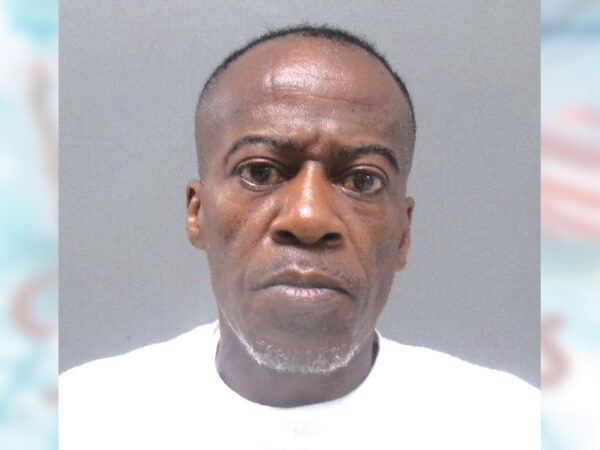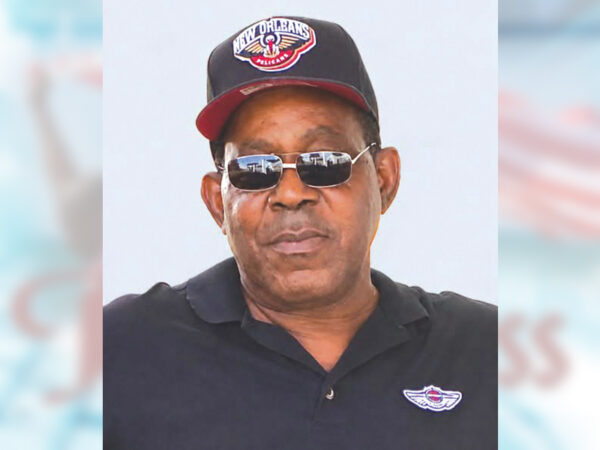

Jimmie Duncan was wrongfully convicted in 1998 and can now go free; Gerald Manning was wrongfully convicted in 4th District court in 1978 and set free in 2018 after 40 years. Both were set free by DNA evidence and the work of the Innocence Project.
A Louisiana man who spent nearly three decades on death row is free on bail after new DNA evidence exonerated him and a judge found that “junk science” led to his conviction. The case marks the second major Innocence Project victory in Monroe’s 4th Judicial District within the past seven years, with both cases shaking faith in historic forensic practices and highlighting the perils of wrongful convictions.
Court Orders Release After DNA Exoneration
The lastest 4th District wrongful conviction involved Jimmie Duncan, convicted in 1998 for the murder of his girlfriend’s toddler, Haley Oliveaux, in Ouachita Parish, was ordered released from Angola prison on November 24 after Judge Alvin Sharp vacated his conviction in April 2025. Duncan’s bail was set at $150,000 pending a state Supreme Court hearing.
The ruling came after records revealed that at the time of his trial, evidence was insufficient to prove his guilt, and the forensic analysis used against him was fundamentally flawed.
“Junk Science” Called Into Question
At Duncan’s trial, prosecutors relied heavily on bite mark analysis conducted by Dr. Michael West and Dr. Steven Hayne, two experts later linked to numerous wrongful convictions. Duncan’s conviction collapsed after new expert testimony revealed the bite mark evidence was “not scientifically defensible,” and medical reviews showed the child’s death likely resulted from accidental drowning. A recanted jailhouse informant’s testimony and evidence of ineffective counsel during Duncan’s trial further crippled the state’s case.
The unreliability of bite mark analysis, once esteemed as innovative forensic science, played a central role in Duncan’s imprisonment.
Dr. West, the Mississippi dentist who performed the analysis, publicly rejected his own methods by 2011, citing DNA as the only reliable forensic identifier and admitting that bite mark evidence should be abandoned in courtrooms.
Legal Challenges and State Response
Louisiana Attorney General Liz Murrill and Fourth District Attorney Steve Tew continue to fight Duncan’s release, seeking an emergency stay from the state Supreme Court.
The state maintains Duncan should remain in custody until all appeals are exhausted, prolonging uncertainty around his freedom.
Pattern of Wrongful Convictions
The first DNA exoneration involved the 2018 release of Gerald Manning, who served over 41 years in prison for crimes he did not commit.
The Manning case is a well-known success story for wrongful conviction advocacy in Monroe, Louisiana’s 4th Judicial District.

Photo: Gerald Manning Case Background
- Manning was convicted at age 17 in 1977 for the rape and murder of Vonda Harris and another assault in Monroe, Ouachita Parish.
- His conviction stemmed largely from a confession obtained after more than 30 hours of police interrogation, which many later described as unreliable due to his youth and mental limitations.
- The Innocence Project New Orleans (IPNO) took on Manning’s case and fought for new DNA testing on old evidence. They were invited to review the case by former DA Jerry Jones who said the conviction troubled him. When Jones retired, DA Steve Tew worked with the Innocence project to help secure Manning’s release.
- DNA tests and newly discovered evidence showed Manning could not have been the perpetrator of the crimes for which he was sentenced to life.
- In 2018, based on this evidence, Manning was freed from prison at the age of 59.
Both cases relied on Innocence Project intervention and DNA testing, underscoring the vulnerability of defendants in Ouachita Parish when convictions rest on shaky evidence and questionable forensics.
Duncan’s story exposes critical shortcomings in the justice system’s reliance on now-discredited forensic science—a cautionary tale for Louisiana and beyond. His release is a victory for wrongful conviction advocacy, scientific integrity, and criminal justice reform.