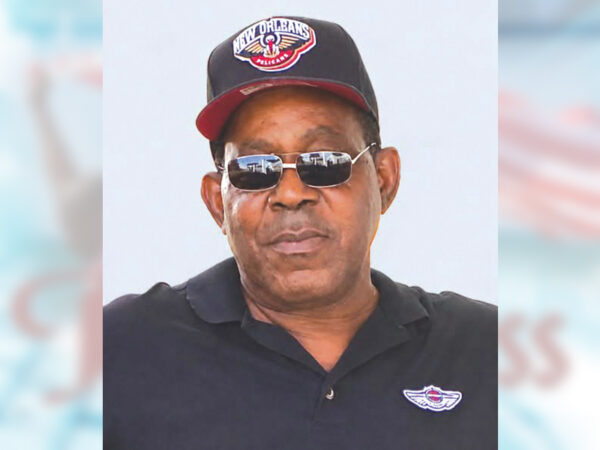

If the coach’s personal story can inspire players, then Southern University’s new head football coach has a back story that is sure to inspire thousands of players and create opportunities for scores of players who want to be coached by a former popcorn sales boy who became one of the greatest of all time.
Marshall Faulk’s journey runs from one of New Orleans’ most challenging housing projects to the Pro Football Hall of Fame. Now he’s the head coach at Southern University, positioning him as the kind of star who can reshape an HBCU program’s visibility much like Deion Sanders did at Jackson State.
Southern is very openly betting that his name, story, and NFL connections can elevate the Jaguars on the field, in recruiting, and in national attention.
From Desire projects to NFL legend
Faulk was born in 1973 and grew up in the Desire housing projects in New Orleans’ Ninth Ward, an area known for deep poverty, crime, and limited opportunity. His parents divorced when he was very young, and his mother raised six sons while juggling odd jobs, with the family often struggling just to cover basics.
As a boy, he cycled through several schools and was surrounded by the pull of the streets, but watching where drugs and crime led others pushed him to pour his energy into football instead. Coaches and mentors at George Washington Carver High helped keep him on track when he could easily have drifted away from the game.
Working his way through high school
To help his family survive, Faulk picked up whatever work he could: cutting hair, cooking on Bourbon Street, selling concessions at Saints games in the Superdome, and later working as a school custodian.
At one point, he nearly quit football to work full-time at his brother’s barbecue stand until his coach arranged a janitorial job at Carver so he could earn money and still play, which meant long days of cleaning, classes, and late practices.
During a period when his mother’s health and living situation forced a move, Faulk even lived away from her so he could stay at Carver and keep playing, a choice that underscored how much football had become his path out of the projects. Those sacrifices set the stage for college recruiters to finally notice a star in a small, overlooked program.
College stardom and Hall of Fame career
San Diego State gave Faulk his shot, and he became one of the most explosive backs in college football history and a Heisman Trophy finalist. The Indianapolis Colts made him the No. 2 overall pick in the 1994 NFL Draft, launching a pro career that later flourished with the St. Louis Rams’ “Greatest Show on Turf.”
He won an NFL MVP, a Super Bowl ring, seven Pro Bowl nods, and eventually induction into both the College and Pro Football Halls of Fame, turning a childhood of economic hardship into a multimillion‑dollar, legacy‑defining career.
Even as his wealth and profile grew, he continued to return to New Orleans and George Washington Carver High to support students and emphasize education and smart choices.
Prominence and the Deion blueprint
Sanders showed what a Hall of Fame name can do for an HBCU: at Jackson State, he drove record FCS attendance, boosted national TV coverage, and helped land top‑tier recruits who previously would not have considered an HBCU.
His presence turned JSU games into major events and raised the profile of the entire SWAC, proving that a single star coach can change the economic and recruiting landscape for a program and its conference.
Southern is explicitly trying a version of that model by hiring Faulk, a Hall of Famer who just spent a season learning directly under Sanders at Colorado and can lean on him as a resource. Faulk’s New Orleans roots, NFL fame, and media‑friendly persona give Southern a recruiting pitch and national storyline that mirrors the “Deion effect” in scale, even if the personalities are different.
Star‑studded first press conference
Faulk’s introduction at Southern was less a routine media availability and more a show of force about what the program wants to become. Pro Football Hall of Famer Aeneas Williams, a Southern alum and Faulk’s former Rams teammate, played a central role, publicly relaying how Deion Sanders urged Faulk to pursue and accept the job if it was in his heart.
Former NBA champion and Southern alumnus Avery Johnson also flew in, calling it a pivotal moment for Southern football and noting he had never before traveled just to attend a football press conference, which underscored the significance of Faulk’s hire.
With local legends, Hall of Famers, and high‑profile alumni surrounding him, Faulk’s first day on the job sent a clear message: Southern expects his story and star power to lift the Jaguars the way Sanders’ presence transformed Jackson State.