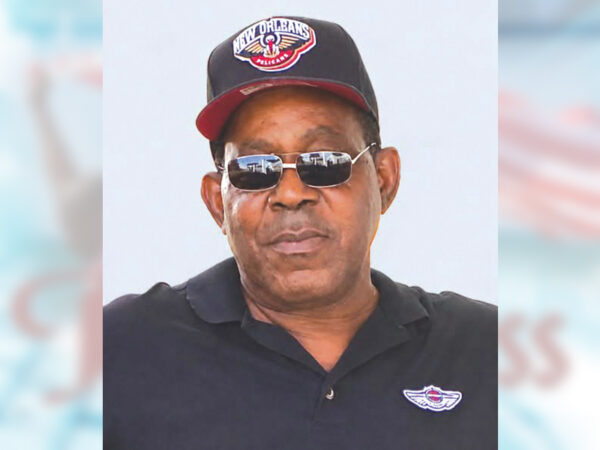

Robert K. Wright, Minister of Music at New Light Baptist Church in Monroe, was among hundreds of musicians, choir directors, and gospel enthusiasts from across the country who gathered in Atlanta for the 92nd Annual Session of the National Convention of Gospel Choirs and Choruses (NCGCC), held July 26–August 1 at the Hilton Atlanta Downtown.
Founded in 1933 by the legendary Thomas A. Dorsey, known as the “Father of Gospel Music,” the NCGCC continues to serve as a premier platform for the education, training, and spiritual development of gospel music leaders nationwide. This year’s convention placed special emphasis on the post-COVID challenges and transformations facing modern church music ministry.
Wright, a longtime advocate for sacred music and choral excellence, took part in several advanced workshops designed to equip leaders with practical tools and theological grounding.
In “Whose Congregation is This?”, gospel artist and worship leader Stephen Hurd addressed the fear of change in traditional church settings. “Change scares people, but it must happen,” Hurd said, encouraging ministers of music to adapt to modern congregational needs while remaining rooted in spiritual excellence.
Oscar Williams and Rodney Whitley, in their workshop on “Worship Planning & Execution,” tackled the shrinking length of worship services and the rise of digital worship. They urged participants to be intentional with every minute of the service. “You may only get one song—make it count,” said Williams.
Dr. Clark Joseph’s powerful session, “Ministry Leadership, Administration and Management,” emphasized servant leadership rooted in the biblical principle of Diakonis, or service. He reminded attendees that ministers are “appointed and anointed” and must lead with vision, clarity, and preparation in a rapidly changing ministry landscape.
One of the most powerful moments for Wright came during Dr. Eddie A. Robinson’s stirring session “SHOUT: African American Church Music and History.” Robinson traced the roots of gospel music from early spirituals to contemporary praise, challenging attendees to uphold the scriptural integrity of the songs they introduce in worship. “Gospel music should complete the sermon—not compete with it,” he warned.
Wright will return from the convention inspired and equipped. “This week deepened my calling,” he said. “It reminded me that music ministry is more than performance—it’s a sacred trust. We are called to lead people into God’s presence with clarity, care, and conviction.”
As churches across the nation continue adjusting to post-pandemic realities—shorter services, digital transitions, and shifting volunteer patterns—the insights gained at the NCGCC will help Wright and others preserve the heritage of gospel music while innovating for the future.