
Former “Jailhouse lawyer” cleared to take office, Court says Governor’s fight with Black man who was exonerated after 28 years in Angola and then elected, is a violation of his 14th Amendment rights
A high-stakes power struggle between Louisiana state leadership and New Orleans city officials reached a dramatic climax Sunday night. A federal judge issued a last-minute ruling declaring a new state law unconstitutional, effectively saving the Orleans Parish criminal clerk of court office from being abolished hours before its scheduled dissolution.
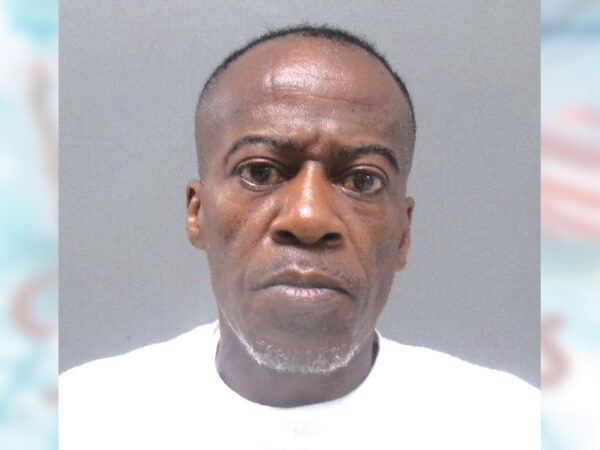
The ruling by U.S. District Court Judge John deGravelles grants a temporary restraining order (TRO) that allows clerk-elect Calvin Duncan to assume his post on Monday morning, as mandated by the voters.
The Midnight Deadline
The legislation at the heart of the crisis, Senate Bill 256 (enacted as Act 15), was signed into law by Governor Jeff Landry only last Thursday. It sought to merge the duties of the Orleans Parish criminal clerk into the civil clerk’s office—a move that would have eliminated Duncan’s position just as he was set to take the oath of office.
Judge deGravelles’ order stops Governor Landry and Secretary of State Nancy Landry from enforcing the law for at least 14 days, asserting that the eleventh-hour move to dismantle an elected office was unconstitutional.
Background: From Prison to the Polls
The legal battle is backdropped by the remarkable personal history of Calvin Duncan. An attorney and criminal justice reform advocate, Duncan spent 28 years in prison for a murder he did not commit.
During his incarceration at Angola, Duncan became a self-taught “jailhouse lawyer,” helping dozens of other inmates with their legal cases. Following his exoneration and release, he earned a formal law degree and built a platform focused on transparency and efficiency in the court system. In November 2025, Duncan won the election for Criminal Clerk of Court with a landslide 68% of the vote.
A Clash of Intentions
The lawsuit filed by Duncan argued that SB 256 was a targeted “power grab” specifically designed to prevent a reform-minded exoneree from holding office.
- The State’s Argument: Governor Landry and proponents of the bill maintain the merger was a matter of administrative “modernization.” They argue that Orleans Parish is an outlier, and that consolidating the two clerk offices aligns New Orleans with the administrative structure used in the rest of Louisiana’s 63 parishes.
- The Plaintiff’s Argument: Duncan’s legal team argued that changing the “rules of the game” after an election is a violation of the 14th Amendment and an affront to the Voting Rights Act, effectively disenfranchising the thousands of New Orleans residents who cast ballots for Duncan.
Political Fallout
The ruling has ignited a firestorm of reactions across the state. Mayor Helena Moreno praised the court for protecting the “fundamental right of voters,” while Congressman Troy Carter noted on social media that the decision ensured that “justice seems to have prevailed.”