
As November approaches, Black voters across Northeast Louisiana face a critical decision for the U.S. Senate—one that presents two distinct, compelling options and requires a careful calculation of community interest, political leverage, and long-term representation.
Option 1: Supporting Principle and Heritage with Jamie Davis
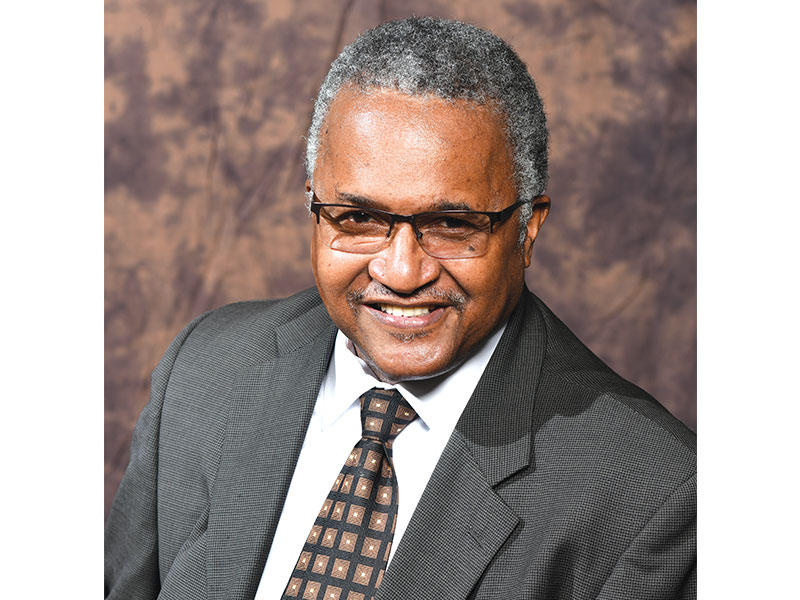
On principle, Jamie Davis offers a candidate profile that speaks directly to the community’s values. As a successful Black millionaire agri-businessman, Davis represents economic self-reliance, entrepreneurship, and a deep understanding of the agricultural backbone that sustains rural Northeast Louisiana. Jamie Davis represents the mainstream Democratic ideal. He not only looks like us; he thinks as we do on most subjects, including anything that is remotely “Trumpian.”
For Black voters, his candidacy provides an opportunity to align their ballots with shared background, Democratic platform principles, and a vision for economic development centered on working families. While running as a Democrat without full national party backing creates a tough electoral path in a red state, a strong show of support for Davis reinforces political independence and sends a clear message that the Black electorate remains committed to candidates who directly reflect its community.
Option 2: Leveraging Local Roots and Power with Julia Letlow
At the same time, incumbent Representative Julia Letlow presents a realistic path to direct influence in Washington. Born and raised in Monroe, Letlow is a native of Northeast Louisiana who built her career as a higher education administrator in the region. Republican doesn’t automatically mean “anti-black” in every instance. Letlow’s history includes years of advocating for campus diversity, equity, and inclusion initiatives and fostering cross-community partnerships before her time in Congress. She has to sound like Trump to get his support, but at heart, she’s a long way from being Donald Trump, who will be out of office in two years.
While her recent campaign rhetoric aligns firmly with the national Republican platform to secure President Trump’s endorsement, local analysts recognize that her local ties and strong position in a conservative state make her highly likely to win. For Black voters in her home region, engaging with Letlow is about pragmatic leverage: ensuring that a local leader with direct access to the Senate majority remains attentive and accountable to her home constituents on crucial issues like rural healthcare, education funding, and regional infrastructure.
Avoid the “Single-Basket” Trap
For decades, political strategists have operated under the assumption that the Black vote is a monolith. But putting an entire community’s political capital into a single basket can diminish its overall political leverage. Democrats take the Black vote for granted, and Republicans assume it’s unreachable; that means Blacks risks losing a seat at the table altogether.
This November offers Black voters in Northeast Louisiana two strategic choices:
- Vote for Davis to uphold shared principles, advance Black leadership, and build long-term candidate momentum.
- Vote for Letlow to leverage a hometown leader’s direct line to Senate power and secure local constituent access.
There is no single right answer, but the worst option is voting on autopilot.
Evaluating both candidates on their merits ensures that regardless of who wins in November, Northeast Louisiana’s Black community maintains its voice, its power, and its seat at the table.